LONGEVITY
IS A NATURAL RESOURCE WORTH “EXPLOITING.” Eskaton’s commitment to natural resources includes
energy efficiency, ridesharing, recycling and waste management. But,
undoubtedly, the most respected natural resource within Eskaton’s 30
communities is our resident population -- the 3,500 older adults with energy, time
and wisdom to spare.
 Longevity
truly is a rare asset, one worth conserving and “exploiting.” It has the
capacity to fuel the economic engine, concentrate brainpower on innovation,
add stability in unstable times, and provide safety in numbers (at a rate of
10,000 people turning 65 every day.)
Longevity
truly is a rare asset, one worth conserving and “exploiting.” It has the
capacity to fuel the economic engine, concentrate brainpower on innovation,
add stability in unstable times, and provide safety in numbers (at a rate of
10,000 people turning 65 every day.)
“The shame is
that we’re only looking at the problems,” said Laura Carstensen, director of
the Stanford Center on Longevity in a recent interview with the Stanford Report. When, in fact, she reminds
us, “the number of older people in the world is the only natural resource
that’s actually growing.”
 Carstensen is
among a handful of authorities on longevity who gives applicable context to
facts and numbers, rather than simply reporting them for dramatic effect. And,
more importantly, she focuses on solutions rather than problems. For example,
with respect to “retirement,” she makes the case in the SR interview that “money from 40 years of work can’t fund 30 years
of retirement.” Instead, she proposes to spread out work for more years, cut
the number of working days per week and the hours worked per day, and to integrate
more sabbaticals into working schedules to give more time to other obligations.
Carstensen is
among a handful of authorities on longevity who gives applicable context to
facts and numbers, rather than simply reporting them for dramatic effect. And,
more importantly, she focuses on solutions rather than problems. For example,
with respect to “retirement,” she makes the case in the SR interview that “money from 40 years of work can’t fund 30 years
of retirement.” Instead, she proposes to spread out work for more years, cut
the number of working days per week and the hours worked per day, and to integrate
more sabbaticals into working schedules to give more time to other obligations.
This exemplifies
the transformative thinking that values older adults and longevity as a natural
resource, and as a benefit rather than a burden. Science, government and too
many people associate age with decline. When instead we should appreciate that
with age comes knowledge, experience, perspective and contextual thinking; as
well as emotional stability and purposeful engagement.
Eskaton’s
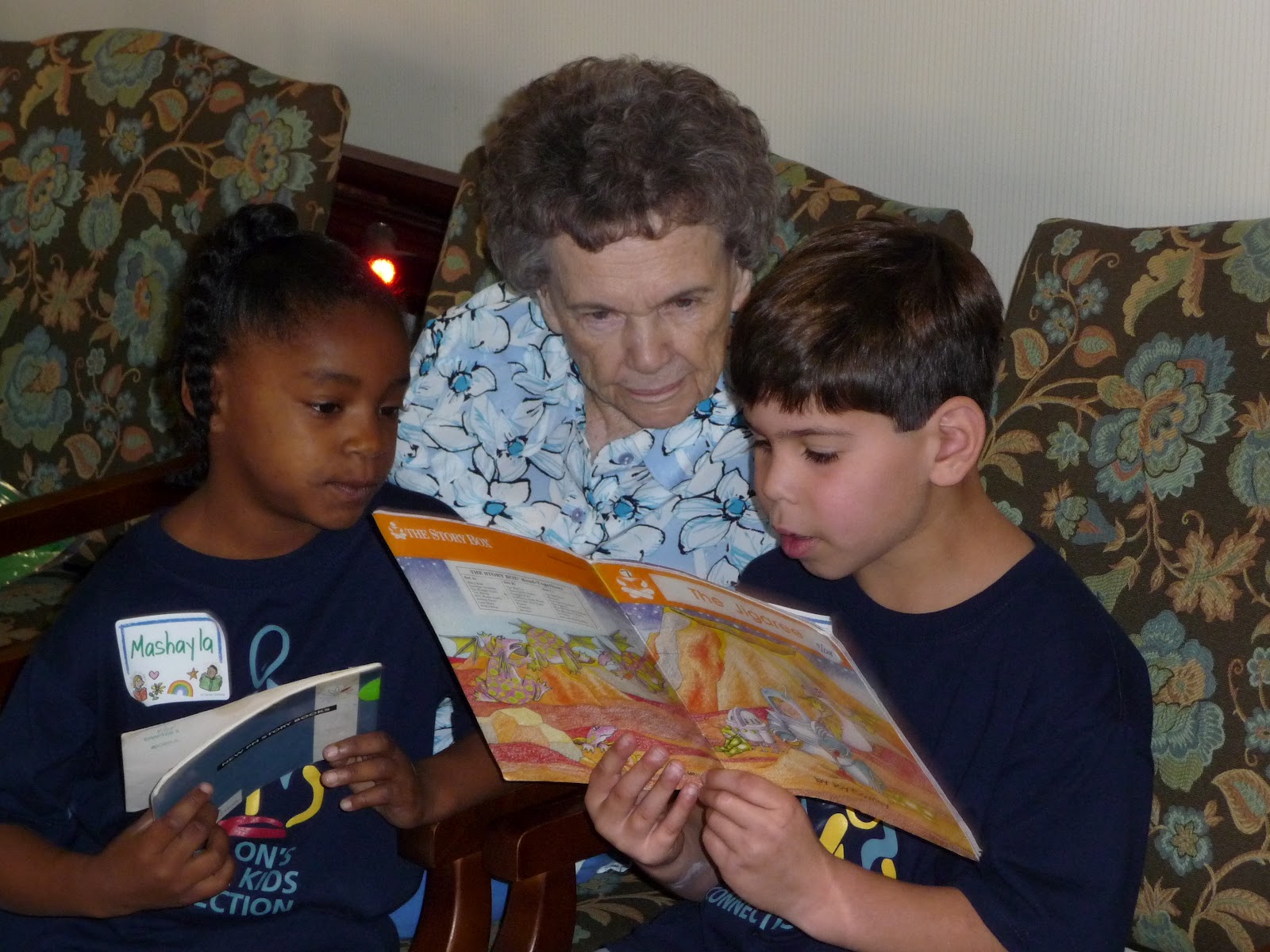
residents exploit their resourcefulness daily through volunteerism, mentoring
and “encore careers.” It’s inspiring to witness, though they would claim it’s
only natural.

 The tradition
began 10 years ago, taking advantage of the continuing care community’s
well-equipped woodshop, and has benefited from the time and talents of a
revolving team of woodworkers. Village residents Jim Jackson (photo) and his buddies Doug Darmsted
and Sterling Parrish staff the
project’s most recent production line.
The tradition
began 10 years ago, taking advantage of the continuing care community’s
well-equipped woodshop, and has benefited from the time and talents of a
revolving team of woodworkers. Village residents Jim Jackson (photo) and his buddies Doug Darmsted
and Sterling Parrish staff the
project’s most recent production line.